End-to-End Design & Build
Manage projects from operational evaluation through implementation and long-term support.
One operation. One integrated system. One team accountable for making it work.
A successful warehouse design-build project depends on more than selecting the right equipment.
Storage, picking, conveyor, automation, controls, software and infrastructure all have to work together and they have to support the performance the operation requires.
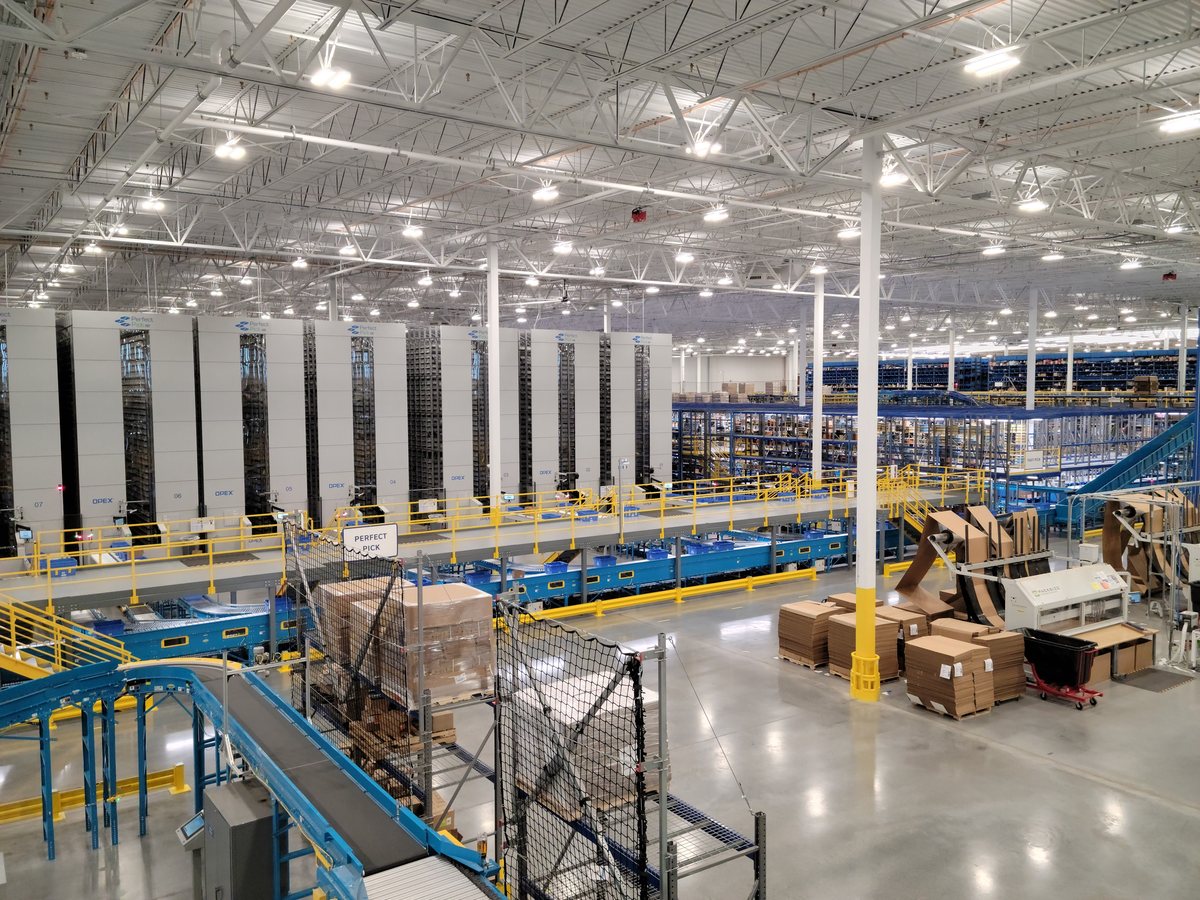
Siggins brings design, engineering, integration and implementation together under one team, from evaluating the operation and engineering the system through installation, commissioning and long-term support.
Start With the Operation, Not the Equipment
Before designing the system, we define what the operation needs to accomplish.
That starts with operational data and requirements such as:
- Order and inventory profiles
- Current and projected volumes
- Throughput and service requirements
- Peak and seasonal demand
- Labor requirements and availability
- Building and space constraints
- Anticipated growth and operational change
From there, we model the operation, evaluate alternatives and determine the combination of processes, equipment and technology required to deliver the performance the business needs.
The equipment comes after the requirements.
One Team From Evaluation Through Support
The engineers who evaluate your operation remain connected to the project as it moves from concept through implementation.
That continuity keeps the people who understand why the system was designed a certain way involved as equipment is selected, layouts are finalized, controls are engineered and installation decisions are made.
Siggins also coordinates across equipment manufacturers, installers, electrical contractors, controls, construction teams and your operations team so the individual pieces come together in the right sequence.
Your team shouldn’t have to become the systems integrator.
Greenfield Distribution Centers
A greenfield distribution center creates an opportunity that’s difficult to recreate once a facility is operating: the ability to design the building and the material handling system together.
For greenfield projects, we use operational data, long-term forecasting and throughput modeling to understand what the facility needs to support at startup and how those requirements may change over time.
That analysis informs:
- Facility and material-flow layout
- Storage capacity and inventory positioning
- Picking and fulfillment strategies
- Conveyor and sortation
- Automation and robotics
- Controls and software architecture
- Warehouse infrastructure
- Expansion and future automation requirements
The objective is to create a modular, scalable system that supports the initial operation without unnecessarily limiting what the facility can become.
Coordinate the Building With the System
The warehouse and the material handling system can’t be designed independently.
Column spacing affects storage and automation. Clear height affects storage density and AS/RS options. Electrical requirements affect equipment placement. Fire protection, egress, floor conditions, dock configuration and structural requirements can all influence system design.
Siggins works alongside the construction team through general contractor coordination, helping align the building and material handling system before equipment reaches the floor.
Resolving those interfaces during design is considerably easier than resolving them during installation.
What We Bring Together
- Operational evaluation and system design
- Data analysis, forecasting and throughput modeling
- Material flow and facility layout
- Storage and fulfillment system design
- Conveyor and sortation
- Automation and robotics integration
- Equipment selection and procurement across manufacturers
- Controls engineering and software integration
- Warehouse infrastructure
- Installation and project coordination
- Testing and commissioning
- Training and startup support
- Long-term system support
Because we’re not tied to a single equipment manufacturer or technology, each component can be selected based on the application and the performance the overall system needs to deliver.
Design the Interfaces, Not Just the Components
Every system decision affects another.
Storage affects picking. Picking affects material flow. Material flow affects conveyor and sortation. Automation affects controls and software. And all of it has to fit the building.
A system can contain excellent individual technologies and still underperform if the interfaces between them aren’t engineered correctly.
That’s why Siggins designs the connections between processes, equipment and technologies as deliberately as the individual components themselves.
The goal isn’t a collection of equipment.
It’s one integrated operating system.
Engineer for the Volume Ahead
A distribution center has to work on opening day, but it shouldn’t be designed only for opening day.
We evaluate anticipated changes in volume, inventory, SKU count, order profiles and fulfillment requirements to determine where capacity should be built into the initial system and where expansion can be planned for later.
That may mean reserving space for future automation, designing conveyor for additional zones, creating controls architecture that can accommodate new equipment or planning storage and infrastructure around future phases.
The objective isn’t to buy tomorrow’s equipment today.
It’s to make today’s investment compatible with tomorrow’s requirements.
From Installation Through Commissioning
System performance isn’t proven on a drawing.
As installation progresses, equipment, controls and software have to be brought together, tested and validated against the requirements established during design.
Siggins stays involved through installation, controls integration, testing, commissioning and startup, helping move the project from engineered design to a functioning operation.
That continuity also creates a clearer path into long-term support because the team supporting the system understands how and why it was designed.
What improves:
- Project accountability
- System integration
- Implementation coordination
- Startup readiness
- Operational performance
- Scalability and flexibility
- Long-term system support
Start with a SOLVE Analysis
Understand what your operation needs before committing to equipment or automation decisions.

Warehousing and Distribution Solutions